Comprehensive Guide to Food: Nutrition, Types, Benefits & Healthy Eating
Food is an essential part of human life. It nourishes the body, shapes culture, and influences health. Understanding what we eat can help us make informed choices that support both well-being and enjoyment.
What Is Food?
Food includes any edible substance that provides the body with energy, nutrients, and biological fuel. It contains components such as carbohydrates, proteins, fats, vitamins, and minerals needed for growth and daily functioning.
Major Food Categories
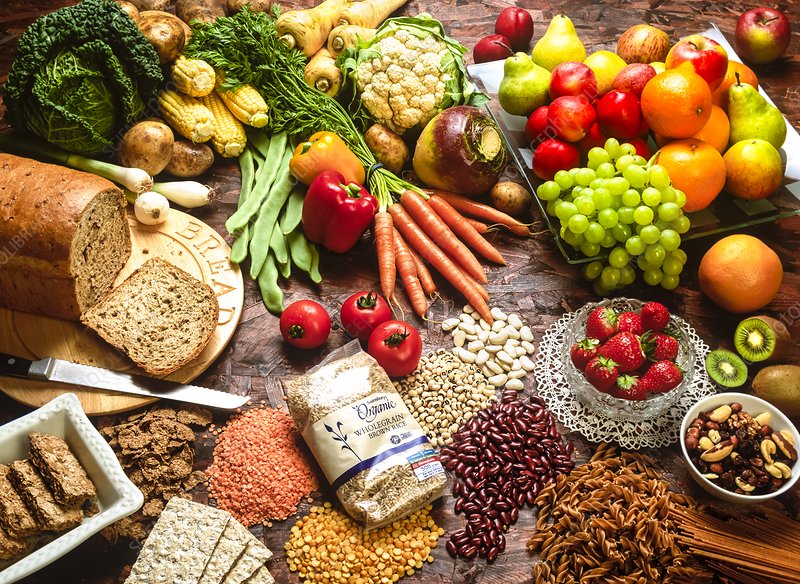
1. Fruits and Vegetables
Benefits include:
-
Natural source of hydration
-
Supports heart and digestive health
-
Promotes healthy skin and immunity
2. Grains and Cereals
Grains supply complex carbohydrates, the body’s primary energy source. Whole grains are particularly beneficial because they retain fiber and valuable nutrients.
Examples:
-
Oats
-
Brown rice
-
Quinoa
-
Whole wheat
3. Proteins
Sources include:
-
Poultry and lean meats
-
Fish and seafood
-
Eggs and dairy
-
Beans, lentils, chickpeas, and tofu
4. Fats and Oils
Healthy fats are essential for brain function, hormone regulation, and vitamin absorption.
Healthy fat sources:
-
Olive oil
-
Avocado
-
Nuts and seeds
-
Fatty fish
5. Dairy and Alternatives
Dairy foods are rich in calcium, vitamin D, and other nutrients important for bone health. Many people also choose plant-based alternatives such as soy, coconut, or oat beverages.
Understanding the Nutritional Value of Food
Macronutrients
Macronutrients provide most of the body’s energy.
-
Carbohydrates: Primary energy source
-
Proteins: Essential for tissue repair and muscle growth
-
Fats: Needed for brain health and nutrient absorption
Micronutrients
Micronutrients support internal processes, immunity, and cell development.
Important micronutrients include:
-
Vitamin C for immune defense
-
Iron for oxygen transport
-
Calcium for bone strength
-
Potassium for muscle function
The Role of Food in Culture
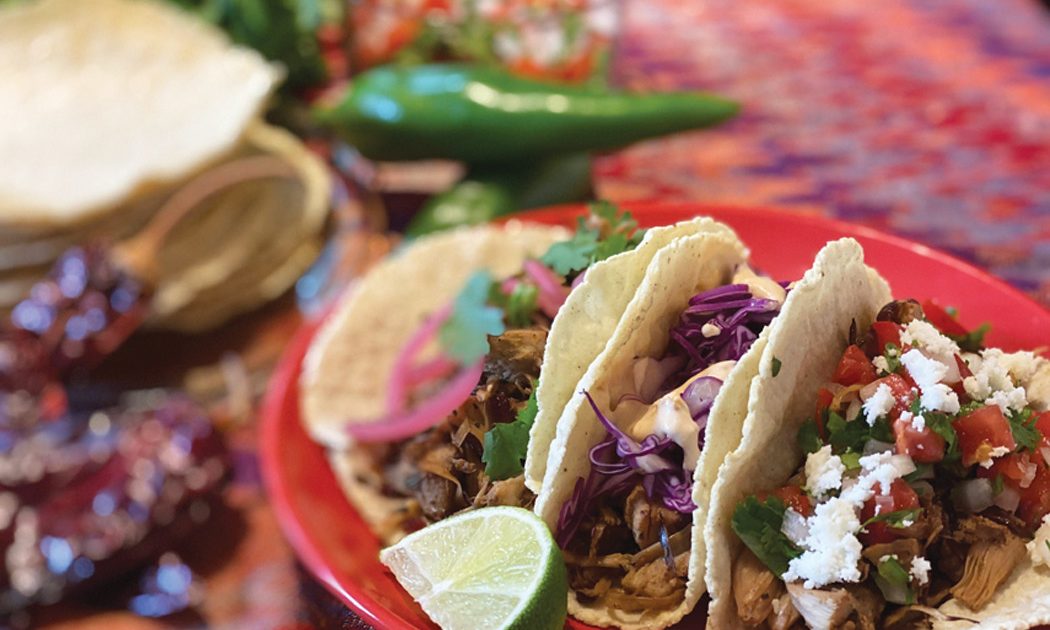
Food reflects tradition, identity, and history. Every culture has unique techniques and dishes that express its values and heritage. Shared meals often strengthen relationships and foster community bonds.
Modern Food Trends
1. Plant-Based Eating
Growing interest in sustainability and wellness has increased the popularity of vegetarian and vegan diets.
2. Functional Foods
People are turning to foods enriched with probiotics, omega-3s, and antioxidants for additional health benefits.
3. Global Flavors
Fusion cuisines and international dishes continue to influence modern dining around the world.
Tips for Making Healthier Food Choices
-
Choose whole, minimally processed foods
-
Eat a colorful variety of fruits and vegetables
-
Include lean proteins and healthy fats
-
Limit added sugars and refined grains
-
Stay hydrated throughout the day
FAQs
1. What is the most important nutrient for overall health?
All nutrients matter, but a balanced combination of proteins, fats, and carbohydrates supports overall well-being.
2. Why are whole grains healthier than refined grains?
Whole grains retain their bran and germ, making them richer in fiber, vitamins, and minerals.
3. Can plant-based diets provide enough protein?
Yes, with a mix of legumes, nuts, seeds, and soy products, plant-based diets can meet protein needs.
4. Do all fats harm health?
No. Healthy fats such as those from avocados, nuts, and olive oil support heart and brain function.
5. How much fruit and vegetables should I eat daily?
Most guidelines recommend at least five servings per day for optimal health.
6. Are organic foods healthier?
Organic foods reduce exposure to synthetic pesticides, though nutrient levels may be similar to conventional produce.
7. How does food influence mood?
Foods rich in omega-3s, antioxidants, and complex carbs can support brain function and mood stability.