
Ensuring A Healthy Home: The Importance Of Sewer Inspection
The Hidden Dangers Lurking Beneath: Why Sewer Inspections Matter
Understanding the Role of Sewers in Public Health
Sewers play a critical role in maintaining public health, functioning as the backbone of our urban infrastructure. They are responsible for collecting and transporting wastewater away from homes, businesses, and public spaces, effectively isolating the harmful pathogens, chemicals, and contaminants that can cause various illnesses. When a sewer system operates optimally, it ensures that waste is treated appropriately, thereby preventing it from polluting the surrounding environment. This is especially vital in densely populated urban areas where infrastructure strain is already prevalent. By properly managing sewer systems, cities can mitigate risks related to waterborne diseases, which have the potential to spread rapidly in communities lacking adequate sewage treatment. Understanding this relationship highlights the necessity for regular sewer inspections as a preventive measure to maintain the efficiency of these systems and protect public health.
The Consequences of Neglecting Your Sewer System
Failing to conduct a regular sewer inspection can lead to a plethora of serious consequences, both for homeowners and entire communities. Blocked or damaged sewer lines can cause sewage backflows, resulting in unpleasant odors and unsanitary conditions within your home. This not only compromises the cleanliness of living spaces but also increases the risk of hazardous mold growth, which poses significant health risks, particularly for individuals with respiratory conditions. Furthermore, untreated sewage can infiltrate local waterways, creating environmental concerns that can affect wildlife and, ultimately, human health if contaminated water sources are consumed. The financial ramifications of neglected sewer systems can be catastrophic. Homeowners may incur costly repairs, while municipalities may face expensive remediation efforts and potential legal liabilities. Hence, prioritizing sewer inspections is not merely a routine maintenance task; it’s an essential investment in the health of both individuals and the broader community.
What to Expect During a Sewer Inspection: A Behind-the-Scenes Look
Tools of the Trade: How Professionals Investigate Your Pipes
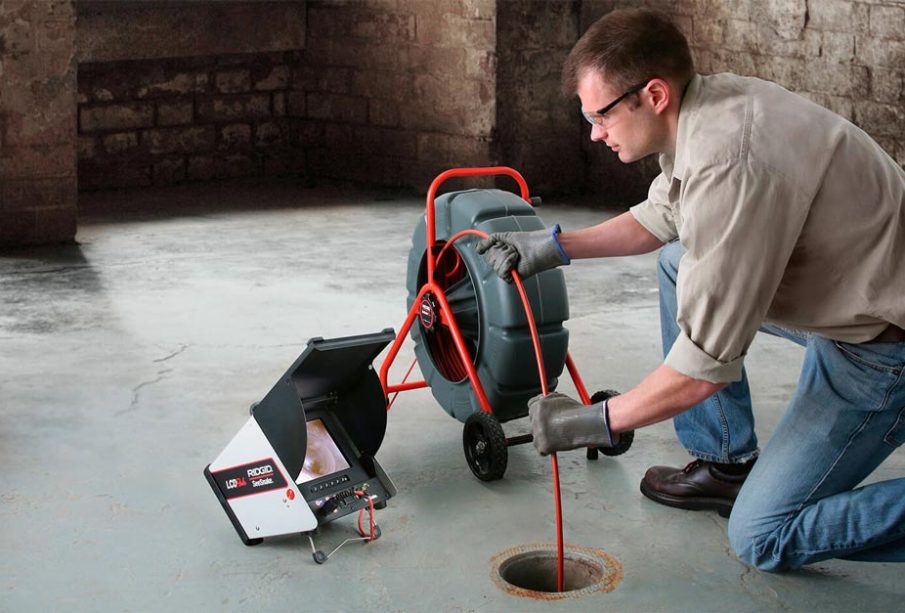
Understanding the technology and methods underpinning sewer inspections can provide homeowners with greater assurance regarding their sewer systems’ integrity. Professionals equipped with advanced technologies, such as high-resolution cameras, can conduct comprehensive inspections of sewer lines without the need for invasive digging. These cameras are often inserted into the sewer via a cleanout, allowing inspectors to visually assess the internal conditions of the pipes. This method not only saves time and labor costs but also helps in pinpointing the exact locations of blockages, cracks, or corrosion effectively. In addition to camera inspections, professionals may employ sonar and hydrostatic testing to evaluate the flow of wastewater and identify leaks. The combination of these technologies creates a concise, data-driven assessment of the sewer system’s condition, enabling homeowners to make informed decisions on necessary repairs or maintenance.
Signs That Your Sewer System Needs Immediate Attention
Recognizing the early warning signs that indicate sewer issues can save you from significant headaches and financial burdens in the long run. Homeowners should be vigilant for several potential red flags, including persistent foul odors, gurgling sounds emanating from drains, frequent clogs, and water pooling in unusual locations. Such symptoms often hint at an underlying problem that could escalate if left unaddressed. For instance, a gurgling toilet usually suggests that air is trapped due to a blockage in the main sewer line. Similarly, if multiple drains are slow, it may indicate a broader issue affecting the sewer system as a whole rather than isolated incidents within individual plumbing fixtures. Paying attention to these signs and acting promptly can facilitate timely inspections that catch problems before they become more severe, protecting your home and finances.
Preventive Measures: Keeping Your Home’s Sewers in Top Shape
Routine Maintenance That Goes Beyond the Basics
While many homeowners may consider sewer inspections an annual obligation, proactive maintenance should extend beyond standard evaluations. Establishing a routine maintenance schedule can significantly enhance your sewer system’s longevity and performance. Regular drain cleaning, for example, can help remove grease, hair, and other debris that accumulate and can lead to clogs. It’s also advisable to utilize environmentally friendly drain cleaners that facilitate routine upkeep without causing harm to the plumbing systems and the ecosystem. Additionally, implementing a tree root management strategy can be critical, especially if your property has large trees close to sewer lines. Tree roots often seek moisture and can infiltrate pipes, leading to structural weaknesses and eventual collapses. Engaging in regular root maintenance and occasionally using root killer solutions can greatly extend your sewer system’s lifespan while minimizing the risks of disruptive blockages.
Eco-Friendly Solutions for a Sustainable Sewer System
In today’s environmentally conscious landscape, homeowners are increasingly looking for eco-friendly solutions to manage their sewer systems sustainably. One proactive strategy involves opting for biodegradable products and natural ingredients when performing drain maintenance. Substances like baking soda and vinegar can effectively clear minor clogs while being gentle on both plumbing and the planet. Additionally, employing natural enzymes and bacteria-based cleaners in your routine can help maintain pipe integrity and enhance overall sewer flow. Similarly, investing in a rainwater harvesting system can help prevent overwhelming the sewer during heavy rainfall, as excess water contributes to system strain. These efforts not only ensure a healthy sewer system but also align with a broader commitment to environmental stewardship, fostering community-wide practices conducive to sustainability.
When to Call the Experts: Timing Your Sewer Inspections Right
Seasonal Factors and Their Impact on Your Sewer Health
Seasonal changes significantly influence the state of your sewer system, making it crucial to time your inspections wisely. For instance, heavy rainfall during spring can lead to over-saturation of the soil, increasing the chances of sewage backup, particularly in older systems not equipped to handle such volumes. Conversely, cold winter weather poses its own unique set of challenges, with freezing temperatures risking pipe bursts and other complications. As the ground thaws in spring, the potential for ground shifts can affect the alignment and condition of sewer lines. Therefore, being proactive about scheduling inspections either at the start of the rainy season or before the cold weather sets in can make a noteworthy difference. Professionals often suggest conducting thorough inspections at least twice a year, ideally at intervals that coincide with these significant seasonal shifts to fortify your sewer system against the elements.
How Often Should You Schedule Inspections? Debunking Common Myths
Many homeowners operate under misconceptions about the frequency with which sewer inspections should occur. Common myths suggest that inspections are only necessary when visible issues arise or that routine checks every few years suffice. In reality, various factors dictate inspection frequency, including the age of the home, the material of the sewer pipes, local soil conditions, and even the nature of the landscaping. Older homes, particularly those with clay or cast iron pipes, may require annual inspections due to their susceptibility to corrosion and damage. In contrast, well-maintained newer homes with PVC pipes might be able to extend that interval without issues. Ignoring the importance of routine inspections can lead to unforeseen crises, which often result in significantly larger expenses than what tailored preventive practices would require. Thus, undertaking a personalized analysis of your home’s sewer system and staying informed about your specific needs will ultimately contribute to better long-term outcomes.
FAQ
Question: How can homeowners identify potential sewer issues before an inspection? – Homeowners can look for signs such as persistent foul odors, gurgling drains, frequent clogs, and water pooling in unusual areas, which may indicate underlying sewer problems.
Question: What are the financial benefits of regular sewer inspections? – Regular sewer inspections can prevent costly repairs from developing into major issues, saving homeowners money on emergency fixes and minimizing potential damage to property.
Question: Is it possible to prevent tree roots from invading sewer lines? – Yes, homeowners can engage in tree root management strategies and use root killer solutions to minimize the risk of roots infiltrating sewer lines and causing blockages.
Question: Are there any government regulations regarding sewer inspections? – Many municipalities have specific regulations that require regular sewer inspections for certain properties, particularly those in high-density areas, to ensure public health and safety.
Question: What should homeowners do if they suspect a sewer backup? – Homeowners should immediately stop using plumbing fixtures and contact a professional to inspect the sewer system to avoid more extensive damage and health risks associated with sewage exposure.
Question: How do seasonal changes specifically affect sewer systems? – Seasonal changes such as heavy rainfall can cause soil saturation, which increases the risk of sewage backup, while freezing temperatures can lead to pipe bursts and alignment issues in sewer lines.
Question: Can using eco-friendly products impact sewer health? – Yes, eco-friendly products, such as biodegradable cleaners and natural cleaning agents, can help maintain sewer health without harming plumbing systems or the environment.
Question: What factors influence the frequency of sewage inspections for a home? – Factors such as the home’s age, the material used for sewer pipes, local soil conditions, and landscaping features can all affect how often a home should undergo sewer inspections.
Useful Resources
- S. Environmental Protection Agency – A comprehensive resource for information on wastewater management and environmental health.
- National Association of Sewer Service Companies (NASSCO) – Offers educational resources on sewer inspection technologies and practices.
- Water Environment Federation – Provides resources on water quality and sewer system management.
- National Academies of Sciences, Engineering, and Medicine – Access to research reports and educational material related to public health and infrastructure.
- American Society of Civil Engineers – Features resources on sustainable infrastructure and best practices for sewer systems.
- Centers for Disease Control and Prevention (CDC) – Information on public health and the role of wastewater management.
- Smart Water Magazine – Covers technology advancements and best practices in wastewater management.
- International Association of Plumbing and Mechanical Officials – Offers guidelines and recommendations for plumbing systems including sewer management.