
The Amateur to Professional Transition in Pakistani Boxing
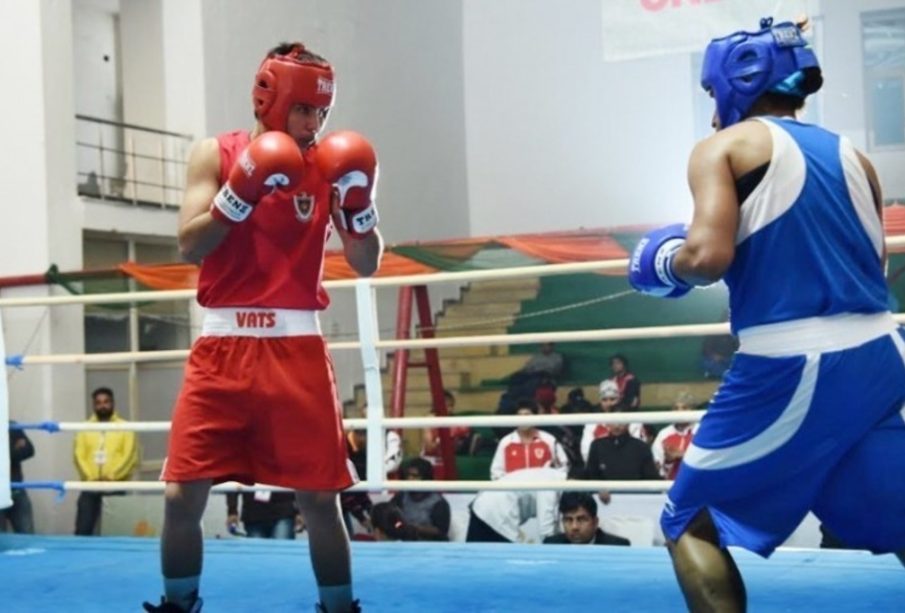
The progression from amateur to professional boxing represents one of the sport’s most challenging transitions, requiring fighters to adapt to different rules, longer bouts, and dramatically altered competitive landscapes. In Pakistan, this transition carries additional complications stemming from limited institutional support, unclear pathways, and economic pressures that force many promising amateurs to abandon boxing entirely.
Amateur Boxing’s Foundation Role
Pakistan’s amateur boxing system, governed by the Pakistan Boxing Federation, provides the primary entry point for most fighters. Young athletes typically begin in amateur competitions, learning fundamentals while competing in tournaments that determine provincial and national rankings. The amateur system operates under AIBA (now IBA) rules, featuring shorter rounds, protective headgear, and scoring systems emphasizing clean punching over knockout power.
Amateur boxing in Pakistan benefits from some governmental support through sports ministries and federations, though funding remains modest. National championships provide structure and goals for developing fighters, while international competitions like the Commonwealth Games and Asian Championships offer exposure to higher-level opponents. These opportunities help fighters gauge their abilities against broader competition pools.
However, amateur boxing’s support infrastructure, while superior to professional boxing’s, still operates under significant constraints. Stipends for national team members are minimal, training camps are infrequent, and international competition opportunities depend heavily on available funding. Many talented amateurs never receive the development necessary to reach their potential, limiting the pool of fighters ready for professional careers.
The Decision Point
Amateur boxers face crucial decisions as they mature athletically. Remaining amateur maintains access to Olympic dreams and governmental support structures, but limits earning potential and restricts fighters to amateur competition schedules. Turning professional opens doors to purses and potentially greater recognition, but sacrifices Olympic eligibility and whatever institutional support amateur status provides.
For Pakistani fighters, this decision often hinges on economic necessity rather than athletic readiness. An amateur showing promise but struggling financially may turn professional prematurely, hoping to earn money that amateur boxing cannot provide. Conversely, fighters might remain amateur longer than optimal for development because professional boxing’s uncertain financial returns seem riskier than amateur boxing’s modest but more predictable support.
The timing of this transition significantly impacts career trajectories. Fighters turning professional too early may lack the technical refinement necessary to succeed, accumulating losses that damage their records and confidence. Those remaining amateur too long might miss the physical prime years when professional success is most achievable, or develop styles too dependent on amateur scoring systems to translate effectively to professional boxing.
Structural Differences Between Amateur and Professional Boxing
The rule differences between amateur and professional boxing require significant adjustments. Amateur bouts in Pakistan typically consist of three rounds of three minutes each, while professional fights range from four to twelve rounds depending on the bout’s significance. This increased duration demands different pacing, stamina management, and strategic approaches.
Scoring systems differ fundamentally. Amateur boxing rewards clean punches landed regardless of power, with judges using electronic scoring or manual counting systems that emphasize volume. Professional boxing judges consider effective aggression, ring generalship, and punch impact alongside clean punching, creating more subjective evaluation criteria. Fighters excelling at amateur boxing’s rapid-fire combinations must adapt to professional boxing’s emphasis on power and control.
The absence of headgear in professional boxing changes defensive priorities. Amateur fighters can sometimes absorb punches protected by headgear; professionals must develop tighter defensive techniques because every punch lands with full impact. This adjustment affects both offensive and defensive strategies, requiring fighters to recalibrate their approach to avoid accumulating damage.
Training Adjustments for Professional Boxing
Transitioning fighters must restructure training to accommodate professional boxing’s demands. Stamina training intensifies to prepare for longer fights. Power development becomes more emphasized, as professional boxing rewards knockout ability more than amateur boxing does. Defensive sophistication must improve to withstand extended competition without protective equipment.
The training volume and intensity required for professional boxing often exceed what amateur boxers experienced. Professional fighters training for significant bouts might work two or three sessions daily, incorporating roadwork, technical training, sparring, and strength conditioning. This increased load requires better recovery practices and time management that amateur schedules may not have demanded.
Access to quality coaching becomes even more critical during this transition. Trainers must help fighters unlearn amateur habits while building professional skillsets—a challenging process requiring expertise many Pakistani coaches, having limited professional boxing experience themselves, struggle to provide effectively. Fighters like Rehan Azhar transitioning to professional ranks need guidance navigating these technical and tactical adjustments.
The Promotional Relationship Challenge
Professional boxing requires relationships with promoters who arrange fights, negotiate purses, and manage careers. Pakistan’s limited promotional infrastructure means fighters often struggle finding promoters willing to invest in their development. Without promotional backing, fighters must self-promote, seeking opportunities through personal networks and direct outreach to event organizers.
The promoter-fighter relationship ideally provides fighters with regular competitive opportunities, gradually increasing opposition quality as fighters develop. In Pakistan’s fragmented professional scene, such systematic development rarely occurs. Fighters might accept whatever bouts become available regardless of whether opponents match their skill level or the timing suits their preparation.
Promotional support typically includes matchmaking expertise—ensuring fighters face appropriate opposition that challenges them without overwhelming their current capabilities. Pakistani fighters often lack this guidance, potentially accepting mismatches that either provide insufficient challenge or expose them to opponents beyond their current level, resulting in damaging losses.
Financial Pressures During Transition
The economic reality of professional boxing in Pakistan creates immense pressure on transitioning fighters. Amateur boxers receiving modest governmental support lose even that minimal income when turning professional. The first professional fights rarely offer substantial purses, creating a financial valley fighters must cross before potentially earning meaningful money.
This financial pressure forces many fighters to maintain employment, fragmenting their focus during the critical period when full-time dedication to boxing would most benefit their development. The temptation to accept fights simply for purse money, regardless of matchup quality, can lead to poor strategic decisions that undermine long-term career prospects.
Some fighters experience financial stress that forces premature career endings. After several professional bouts with modest purses, economic necessity may compel them to prioritize stable employment over continuing to pursue boxing careers with uncertain financial futures. This represents a tragic loss of talent—fighters who successfully navigated the technical transition from amateur to professional ultimately succumb to economic realities.
Competition Frequency and Quality
Developing professional fighters benefit from regular competition against progressively challenging opponents. International professional boxing markets provide frequent opportunities for prospects, with fighters competing monthly or even more frequently early in careers. Pakistan’s limited professional boxing calendar rarely provides such frequency.
Fighters might compete only two or three times annually in professional bouts, with months between fights making it difficult to maintain competitive sharpness and build momentum. The irregular schedule complicates training periodization—coaches struggle to structure preparation cycles when fight dates remain uncertain or change frequently.
Opponent quality varies dramatically in Pakistan’s professional scene. Some events feature relatively even matchups between similarly skilled fighters, while others present obvious mismatches serving to pad records rather than develop skills. Fighters need discernment to accept bouts appropriately challenging for their current level, but economic pressure or limited alternatives may force acceptance of suboptimal matchups.
Record Building and Strategic Career Management
Professional boxing records carry significant weight, affecting future opportunities and earning potential. Fighters with winning records attract better opponents and larger purses, while those accumulating losses struggle to secure meaningful opportunities. This creates pressure to build favorable records early in careers, ideally through strategic matchmaking that provides confidence-building victories while gradually increasing competition level.
Pakistani fighters often lack the managerial guidance that helps international prospects build records strategically. Without experienced management, fighters may accept difficult fights too early, accumulating losses that mar their records and diminish marketability. Alternatively, they might face only weak opposition, developing inflated records that don’t reflect genuine ability and collapse when facing legitimate competition.
The small scale of Pakistan’s professional boxing scene means fighters cannot necessarily avoid top competition. In larger boxing markets, prospects can develop fighting journeymen and regional-level opponents before facing elite competition. Pakistan’s limited fighter pool sometimes forces relatively inexperienced professionals to face accomplished opponents simply because few alternatives exist at their weight class.
Mental and Psychological Adjustments
The transition from amateur to professional boxing demands psychological adaptation alongside technical and tactical changes. The increased consequences of professional boxing—longer bouts, no headgear, and records that follow fighters throughout careers—create different mental pressures than amateur competition.
Professional fighters must develop resilience to handle losses differently than amateurs. Amateur defeats, while disappointing, don’t permanently mark records in the same way professional losses do. Professional boxers must learn to analyze losses constructively while not allowing them to erode confidence or motivation, a challenging psychological balance.
The business aspects of professional boxing require mental adjustments. Fighters become independent contractors managing careers rather than team members within amateur federations. This entrepreneurial dimension demands skills many athletes don’t naturally possess—self-promotion, contract negotiation, financial management—adding stress beyond athletic performance.
Style Evolution from Amateur to Professional
Amateur and professional boxing reward different stylistic approaches, requiring fighters to evolve their technical approach when transitioning. Amateur boxing’s scoring system favors volume punchers who land many clean shots, even if individually those punches lack power. Professional boxing rewards fighters who can hurt opponents, control distance, and demonstrate ring generalship.
Fighters with amateur styles heavily dependent on speed and volume combinations must develop more economical, power-based approaches for professional success. This doesn’t mean abandoning speed, but rather channeling it into punches carrying knockout potential rather than solely accumulating points. The adjustment proves easier for some fighters than others, depending on their physical attributes and technical foundations.
Defensive approaches also evolve. Amateur fighters might use movement and distance control to avoid exchanges, knowing that clean punching counts more than aggressive pressure. Professional boxing rewards effective aggression, meaning fighters must become comfortable engaging in exchanges and controlling the pocket—the mid-range distance where most professional boxing occurs.
Support System Importance
Successfully navigating the amateur-to-professional transition requires support systems that Pakistani fighters often lack. Experienced cornermen who understand professional boxing’s nuances, managers who can guide career decisions, and training partners who replicate professional competition intensity all contribute to successful transitions.
Family support becomes crucial as fighters navigate uncertain professional careers. Understanding families who provide emotional encouragement and accept the risks inherent to boxing careers help fighters maintain psychological resilience during difficult periods. Conversely, family pressure to pursue more conventional career paths can undermine fighters’ commitment during the challenging transition phase.
The boxing community itself provides informal support, with gyms serving as second families where experienced fighters mentor those newer to professional ranks. This community knowledge transmission, while valuable, cannot fully substitute for the systematic development programs available in countries with mature professional boxing infrastructures.
International Comparison and Best Practices
Examining how other countries manage the amateur-to-professional transition reveals approaches Pakistan might adopt. Cuba’s boxing system maintains strong amateur programs while allowing fighters to turn professional later in careers after extensive amateur development. Mexico’s boxing culture creates numerous professional opportunities at regional and national levels, enabling fighters to gain experience gradually.
The United Kingdom’s promotional system, while imperfect, provides relatively clear pathways from amateur success to professional opportunities, with promoters actively recruiting accomplished amateurs and providing structured development programs. The Philippines’ vibrant regional boxing scene offers frequent competitive opportunities that help transitioning fighters accumulate experience efficiently.
Pakistan could benefit from establishing structured transition programs that provide bridge support as fighters move from amateur to professional ranks. Modest stipends during the first year of professional careers, guaranteed minimum competition frequency, and access to coaching education focused on professional boxing requirements would all ease the transition and reduce the talent loss that currently occurs.
The amateur-to-professional transition will remain challenging in any boxing environment, but Pakistan’s structural limitations magnify inherent difficulties. Addressing these challenges requires acknowledging their existence and implementing reforms that provide transitioning fighters with better support, clearer pathways, and realistic opportunities to develop professional careers. Until such improvements occur, Pakistan will continue losing talented fighters who successfully develop amateur skills but cannot navigate the gulf between amateur competition and professional boxing survival.