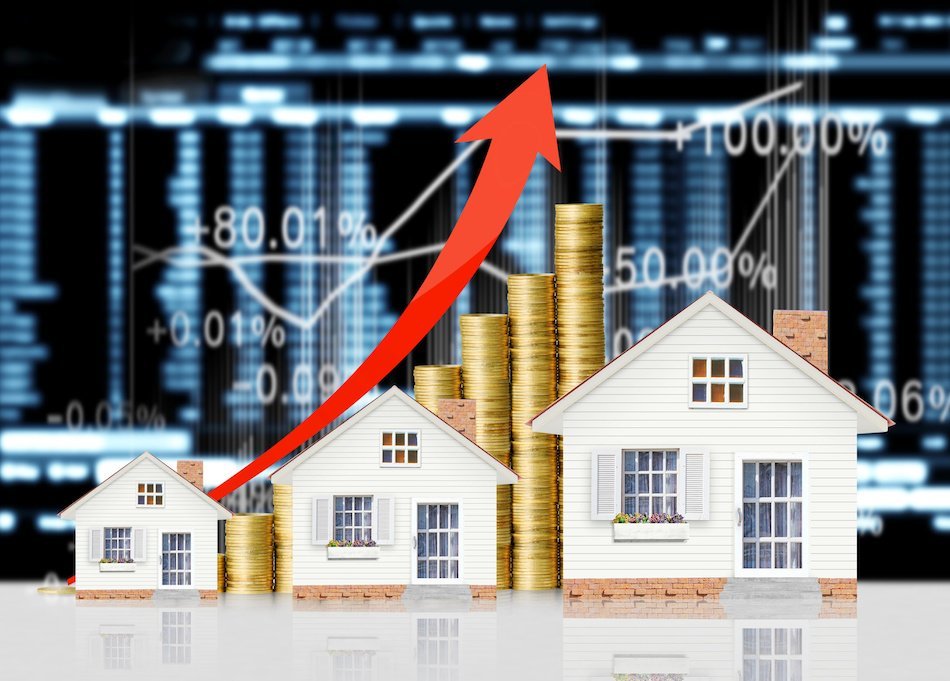
Comprehensive Real Estate Guide: Market Insights, Investment Tips & Future Trends

Real estate continues to be one of the most influential sectors in global economies, shaping lifestyles, investment strategies, and long-term wealth. Whether you’re a first-time buyer, seasoned investor, or someone exploring property as a business opportunity, understanding how this industry works can help you make confident and profitable decisions.
What Is Real Estate?
Real estate refers to land and any permanent structures built upon it, including residential homes, commercial buildings, industrial sites, and vacant land. It is often categorized into four primary types:
-
Residential: Houses, apartments, condos, and townhomes.
-
Commercial: Offices, retail spaces, malls, and hotels.
-
Industrial: Factories, warehouses, and distribution centers.
-
Land: Undeveloped land, farms, and lots.
Each category offers unique opportunities and challenges, shaping the way people buy, sell, or invest.
Understanding How the Real Estate Market Works
The real estate market is influenced by supply and demand, economic conditions, and consumer behavior. Several factors play major roles:
Economic Indicators
-
Interest rates
-
Employment levels
-
Inflation
-
Consumer confidence
When interest rates are low, more people are likely to borrow money for homes, increasing demand and driving prices higher.
Location Factors
Location remains the most powerful determinant of property value. Key location elements include:
-
Access to schools, hospitals, and public transport
-
Neighborhood safety
-
Proximity to commercial hubs
-
Future development plans
Key Benefits of Investing in Real Estate
Long-Term Appreciation
Real estate typically increases in value over time, making it one of the most reliable investment options.
Passive Income Generation
Rental properties provide consistent monthly income, making them attractive for long-term investors.
Portfolio Diversification
Property investments balance risk, especially when paired with stocks or other financial instruments.
Tax Advantages
Depending on local regulations, investors can enjoy benefits like:
-
Depreciation deductions
-
Lower tax rates on long-term investments
-
Mortgage interest deductions
Common Challenges in Real Estate
Despite its potential, real estate comes with challenges that every buyer or investor should recognize:
Market Volatility
Property values can fluctuate due to economic shifts, geopolitical changes, or local supply-demand imbalances.
High Upfront Costs
Down payments, closing fees, inspections, and repairs can add up quickly.
Liquidity Issues
Unlike stocks, real estate cannot be sold instantly and may take weeks or months to convert into cash.
Maintenance Responsibilities
Properties require ongoing upkeep to preserve value and attract buyers or tenants.
Tips for Buying Your First Property
Set a Clear Budget
Analyze your income, expenses, and credit score to know how much you can afford responsibly.
Get Pre-Approved for a Mortgage
Pre-approval strengthens your position and speeds up the purchasing process.
Inspect the Property Thoroughly
Check for structural issues, electrical problems, roofing conditions, and plumbing integrity.
Understand Local Market Trends
Research recent sales, price trajectories, and neighborhood development plans.
Hire a Professional Agent
A skilled real estate agent can provide market insights, negotiate deals, and prevent costly mistakes.
The Future of Real Estate
Real estate is evolving with emerging trends and technologies. Some of the biggest shifts include:
Smart Homes
Properties integrated with automation systems are becoming more desirable and valuable.
Sustainable Construction
Energy-efficient buildings and eco-friendly materials are reshaping modern development.
Digital Real Estate Platforms
Online tools now simplify buying, selling, and property management.
Co-Living and Co-Working Spaces
Changing lifestyles and remote work culture are driving demand for flexible living and workspace solutions.
FAQs
1. Is real estate still a good investment in uncertain economic times?
Yes, real estate often performs well during economic uncertainty due to its tangible value and long-term stability.
2. What is the difference between market value and appraised value?
Market value is what buyers are willing to pay, while appraised value is a professional estimate used by lenders.
3. Do I need a real estate agent to buy a home?
Not mandatory, but agents offer expertise, negotiation skills, and access to listings that simplify the process.
4. How can I evaluate a good rental property?
Look at rental demand, local vacancy rates, property condition, potential ROI, and neighborhood development.
5. What are closing costs?
Closing costs include appraisal fees, inspections, taxes, loan origination fees, and title insurance.
6. How long does it usually take to buy a home?
Typically 30–60 days, depending on mortgage approval, inspections, and negotiation stages.
7. Can real estate protect against inflation?
Yes, property values and rental rates generally rise with inflation, preserving purchasing power.