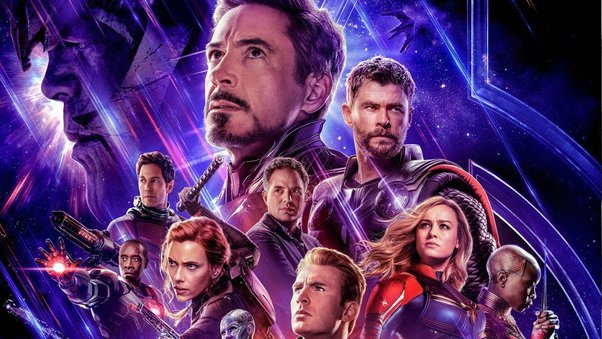
The Evolution of Streaming Entertainment | How Digital Platforms Changed Media
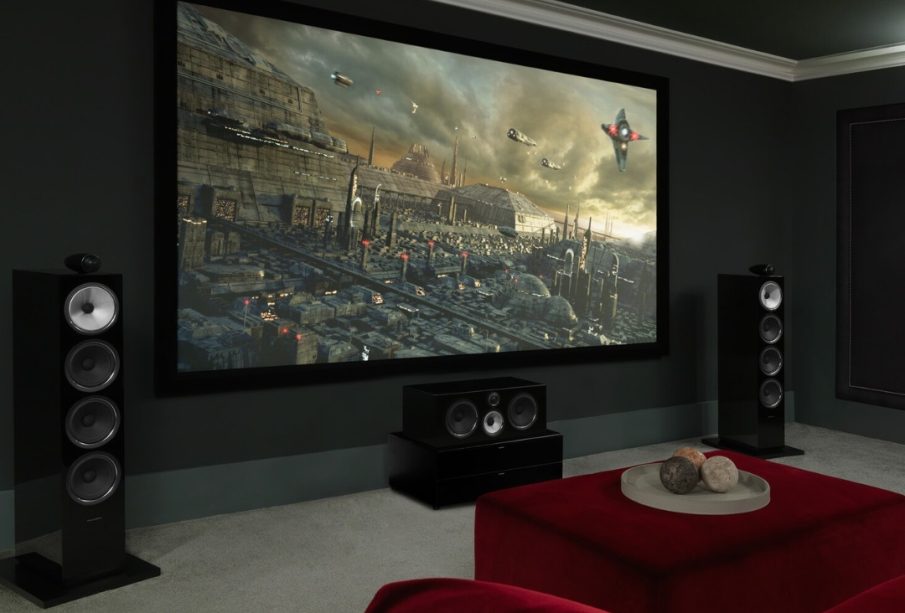
Streaming entertainment has radically reshaped how audiences consume movies, series, music, and live events. What began as an experimental alternative to traditional media has evolved into a global ecosystem powering billions of hours of content each month. This transformation continues to influence culture, technology, and consumer expectations at an unprecedented pace.
How Streaming Transformed the Entertainment Landscape
On-Demand Convenience
The shift from scheduled programming to on-demand viewing has empowered audiences to consume content on their terms. Instead of waiting for a TV broadcast, viewers now enjoy instant access to vast libraries of films, shows, and documentaries across multiple genres.
Rise of Personalized Experiences
Modern platforms analyze viewing habits to deliver:
-
Tailored recommendations
-
Curated playlists
-
Dynamic content carousels
These features help users discover new titles that match their unique preferences.
Mobile-First Entertainment
With increasing smartphone adoption, streaming is no longer confined to living rooms. Millions now watch their favorite content on:
-
Smartphones
-
Tablets
-
Laptops
This mobility has enabled entertainment to fit into daily routines—during commutes, lunch breaks, or travels.
The Growth of Exclusive Digital Content
Original Programming
Competition among platforms has led to the creation of premium, platform-exclusive shows and films. These originals often feature:
-
High production budgets
-
A-list directors and actors
-
Fresh storytelling angles
Exclusive series have become major drivers of subscriptions and global hype cycles.
Revival of Niche Genres
Streaming’s flexible format allows creators to develop:
-
Short-form episodic content
-
Long-form storytelling arcs
-
Genre-specific content for micro-communities
Viewers who once struggled to find content that matched their tastes now enjoy a thriving niche landscape.
Impact on the Film and Television Industry
Changing Release Models
Traditional theatrical windows have shrunk, with many studios opting for:
-
Hybrid releases (theatres + streaming)
-
Direct-to-digital premieres
-
Limited theatre runs for award qualification
Global Distribution Made Easy
A movie released in one region can now reach international audiences instantly. This accessibility has:
-
Boosted foreign-language content
-
Created worldwide fanbases for regional hits
-
Strengthened cross-cultural storytelling
Democratization of Content Creation
Independent filmmakers benefit from:
-
Lower distribution barriers
-
Crowdfunding platforms
-
Digital-first release opportunities
This has opened doors for creative voices that previously lacked access to mainstream channels.
The Role of Technology in Streaming’s Expansion
High-Quality Video Standards
Advancements such as 4K, HDR, and Dolby Atmos have drastically improved streaming quality, rivaling or surpassing physical media.
AI and Machine Learning
AI-driven innovations enhance:
-
Recommendation engines
-
Caption and translation accuracy
-
Real-time content moderation
-
Adaptive streaming to maintain video quality with changing internet speeds
Cloud Infrastructure
Massive cloud networks support:
-
Low-latency streaming
-
Scalable bandwidth
-
Multi-device synchronization
This ensures seamless and consistent experiences for millions of concurrent viewers.
Challenges Facing the Streaming Era
Subscription Fatigue
With numerous platforms competing for attention, many users face increasing costs. This has led to:
-
Frequent subscription switching
-
Growing demand for bundled services
Content Saturation
The sheer volume of content can overwhelm audiences, making it harder for new titles to stand out.
Licensing Battles
Availability of movies and shows constantly shifts due to complex licensing agreements, causing frustration for viewers.
What the Future Holds for Streaming Entertainment
Interactive Storytelling
Expect more content that blends storytelling with user choices, enhanced by VR and AR technologies.
Consolidation of Platforms
Mergers and partnerships may reduce fragmentation and simplify viewer experiences.
AI-Powered Creative Tools
From script optimization to virtual production, AI will play a larger role in shaping how entertainment is created and delivered.
FAQs
1. What makes streaming different from traditional TV?
Streaming offers on-demand access, personalized recommendations, and device flexibility, unlike TV’s fixed schedules.
2. Why are original shows important for streaming platforms?
Originals attract new subscribers, strengthen brand identity, and boost global recognition.
3. How does streaming benefit independent creators?
It reduces distribution barriers and provides a global audience without requiring traditional studio deals.
4. Are streaming platforms affecting movie theaters?
Yes, with hybrid releases and digital premieres influencing theatrical attendance and business models.
5. Why do shows move between platforms?
Licensing agreements and ownership changes determine where content can legally be streamed.
6. Will cable television disappear completely?
It’s declining, but likely to coexist for live sports, news, and regional programming.
7. How does AI enhance streaming quality?
AI optimizes video compression, improves recommendations, and ensures smooth playback across devices.